When the Meme Becomes the Masterpiece: How Artists Are Turning Pop Culture Into Fine Art
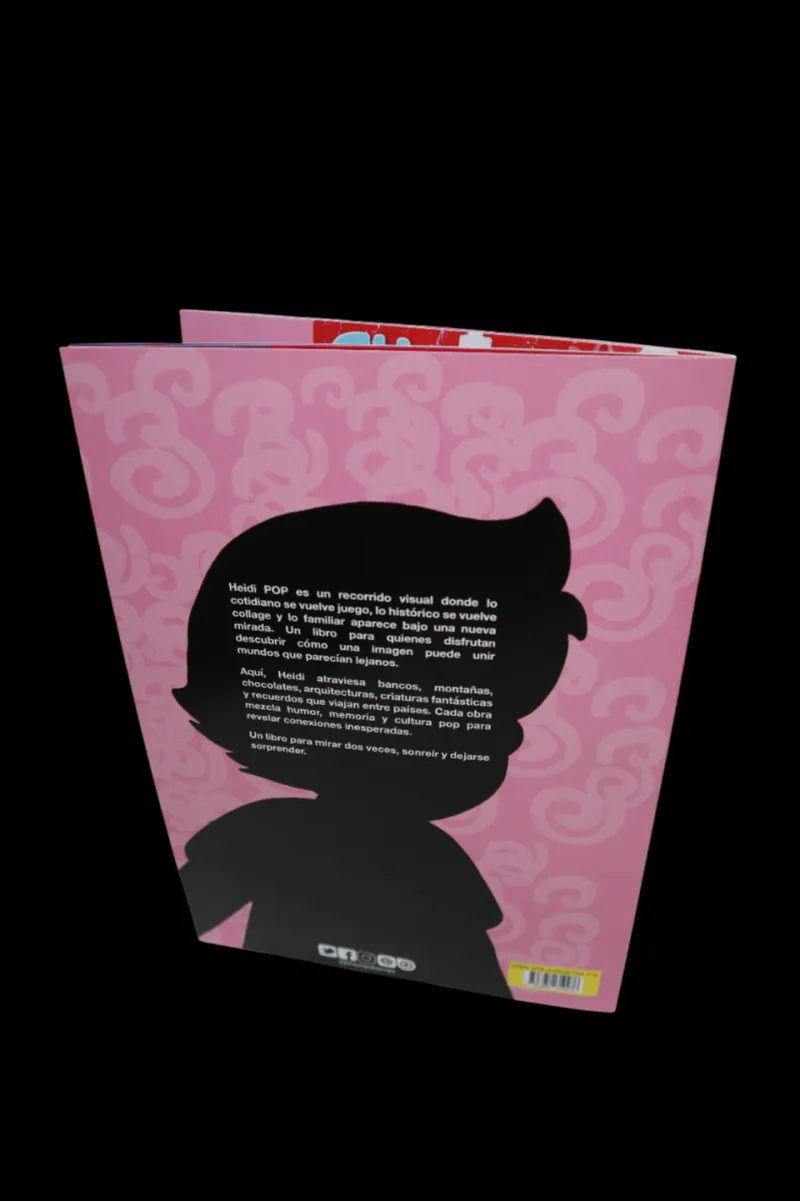
Photo: HonysTorresArt, CC BY-SA 4.0, via Wikimedia Commons
Walk into the right gallery in New York, Los Angeles, or Chicago these days and you might do a double take. Is that a Cheetos bag rendered in oil paint? A six-foot-tall canvas depicting a distorted fast food logo? A sculpture built entirely from bootleg sneaker packaging? You're not in the wrong place. You're right where contemporary art is living its most interesting life.
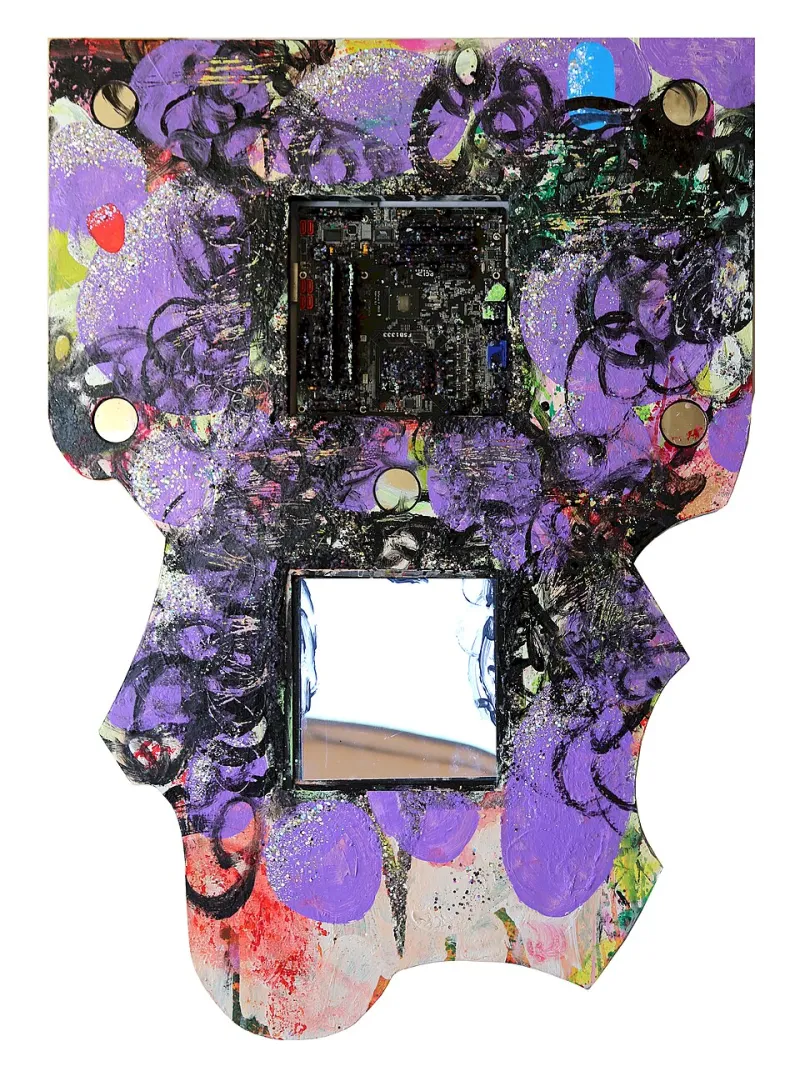
Something genuinely exciting — and a little disruptive — is unfolding in the art world. Artists across the country are systematically raiding the visual landfill of consumer culture and dragging it, kicking and screaming, into fine art territory. And the result isn't kitsch. It's commentary. It's confrontation. It's, frankly, some of the most relevant creative work being made right now.
The Long Shadow of Pop Art (And Why We're Past It)
Let's be honest — this conversation always starts with Warhol. The Campbell's soup cans. The Marilyns. The Brillo boxes. Andy made it cool to take commercial imagery seriously, and the art world never fully recovered from the shock of that.
But here's the thing: what Warhol did in the 1960s was provocation. He was poking the establishment with a sharp stick, asking whether a soup can could be art if he said it was. Today's artists aren't asking that question anymore. They've already answered it. What they're doing instead is far more layered — they're using pop culture as a language, not just a subject. The familiar image isn't the point; it's the vehicle.
Think about the difference. Warhol reproduced. Contemporary artists recontextualize. There's a world of distance between those two moves.
Memes, Merchandise, and Meaning
One of the most fascinating shifts in recent years is how artists are treating internet culture — memes, viral moments, TikTok aesthetics — with the same conceptual seriousness that previous generations reserved for mythology or religious iconography.
Artist Aria Dean has explored Blackness and digital representation through video and text works that pull directly from internet vernacular. Los Angeles-based painter Jamian Juliano-Villani lifts imagery from obscure stock photos, cartoons, and forgotten advertising to build canvases that feel both deeply familiar and profoundly unsettling. New York artist Hein Koh stitches together candy-colored sculptures that reference toy culture and corporate branding, but with an emotional weight that stops you cold.
What connects these artists isn't a shared aesthetic — their work looks nothing alike. It's a shared instinct: that the images saturating everyday American life are worth examining, worth slowing down for, worth holding up to the light.
Why This Matters Beyond the Gallery Wall
Here's where it gets genuinely interesting for anyone who cares about what art does in the world. When fine art starts absorbing pop culture, it's not just an aesthetic choice — it's a democratic one.
For most of art history, the subject matter of 'serious' work was gatekept. Landscapes, religious scenes, portraits of important people. The stuff of everyday life — advertising, packaging, entertainment — was considered beneath the canvas. When artists started dismantling that hierarchy, they weren't just making bold stylistic choices. They were making a political argument about whose visual world deserves attention.
In 2025, that argument has real weight. The average American is exposed to thousands of commercial images every single day. We swim in logos, mascots, memes, and brand identities from the moment we wake up to the moment we fall asleep scrolling. If art is supposed to help us see our lives more clearly, then ignoring all of that imagery isn't high-minded — it's avoidance.
Artists who work with pop culture are essentially saying: this is our actual visual environment, and it deserves the same scrutiny we'd give a Renaissance fresco.
The Democratization Nobody's Fully Reckoned With
There's another dimension here that the art world is still catching up to: accessibility. When an artist builds work around imagery that literally everyone recognizes — a fast food logo, a cartoon character, a meme format — they're automatically lowering the barrier to entry for viewers who might otherwise feel shut out of contemporary art spaces.
You don't need an MFA to have a reaction to a painting of the Marlboro Man reimagined as a climate refugee. You don't need to know your Duchamp from your Damien Hirst to feel something when a familiar brand mascot is placed in a context that strips away all its cheerful commercial warmth.
This is the quiet revolution happening inside the remix renaissance. It's not just about what gets made — it's about who feels invited to look at it and have an opinion.
The Criticism (And Why It's Worth Taking Seriously)
None of this is without tension, and it'd be dishonest to pretend otherwise. There's a legitimate critique that some work in this space leans on the recognizability of its source material as a substitute for deeper conceptual development. Slapping a corporate logo on a canvas and calling it commentary on capitalism isn't automatically interesting — it depends enormously on how the artist is working with that material, what transformations they're making, what specific argument they're advancing.
There's also the thorny question of who benefits. When artists appropriate imagery from Black internet culture, from immigrant communities, from subcultures with no gallery representation of their own — the remix can start to look uncomfortably like extraction. The best artists working in this space are acutely aware of this, and their work shows it. The less thoughtful practitioners... not always.
These tensions don't invalidate the broader movement. They're just part of what makes it worth paying attention to.
What 'Fine Art' Even Means Anymore
Maybe the most lasting contribution of this whole conversation is the pressure it puts on a category we've always taken for granted. What makes something 'fine art' rather than commercial art, craft, or just... stuff? Is it the material? The intent? The institutional context? The price tag?
Contemporary artists who remix pop culture are stress-testing all of those definitions simultaneously. A painting of a meme isn't automatically fine art because it's painted in oils. But it also isn't automatically not fine art because of where the image came from. The answer lives somewhere in the work itself — in whether it's doing something, saying something, making you think or feel in a way that the original commercial image never did.
That's always been the standard, if we're being honest. The material was never the point. The transformation was.
And right now, the artists who are doing the most interesting transformative work are the ones who aren't afraid to start with something you've already seen a thousand times — and make you see it like it's brand new.