Alone on Purpose: How Solitude Became the Creative Superpower Nobody Talks About
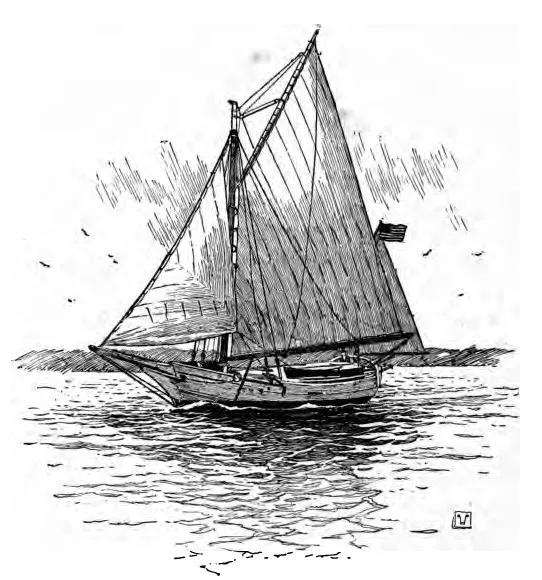
Photo: unknown artists - from book by Joshua Slocum, Public domain, via Wikimedia Commons
There's a certain irony baked into the current art world moment. We live in the most connected era in human history — artists can collaborate across continents in real time, share work to millions with a single tap, and build communities around niche aesthetics before breakfast. And yet some of the most resonant, talked-about creative work right now is coming from people who have deliberately turned all of that off.
Solitude is having a serious moment. Not as a sad byproduct of burnout or social anxiety, but as an intentional, almost militant creative strategy. Artists are choosing isolation the way athletes choose a training regimen — with discipline, structure, and a clear-eyed understanding of what it produces.
The Shift Nobody Saw Coming
For the better part of the last decade, the dominant narrative in creative culture was community. Open studios, collaborative residencies, co-working spaces for creatives, group shows organized around shared identity — the message was clear: art thrives in conversation. And honestly, a lot of great work came out of that era.
But something started shifting around the early 2020s. Partly pandemic-driven, partly a reaction to the exhausting performance of online creative culture, a quieter counter-movement began taking shape. Artists started talking openly about pulling back — from social media, from group projects, from the constant feedback loop of likes and comments and algorithmic validation.
What they found in the silence surprised even them. The work got stranger. More personal. Harder to categorize. And paradoxically, more universally compelling.
Why Isolation Produces What Collaboration Can't
Here's the thing about making work in community: other people's tastes seep in. Not always obviously, not always consciously, but they do. When you're sharing process shots and getting real-time reactions, you start — almost inevitably — making micro-adjustments toward what lands. That's not a character flaw. It's just how human beings operate in social environments.
Solitude removes that feedback loop entirely. When there's no audience watching the process, the artist has to make every decision based purely on internal logic. What feels true? What feels necessary? What would I make if literally no one was ever going to see this?
That last question is the one that tends to crack things open.
Artists working in extended isolation — whether that's a months-long rural retreat, a strict no-social-media policy during active projects, or simply a commitment to finishing work before showing it to anyone — consistently report the same thing: the work becomes more distinctly theirs. The fingerprint gets sharper. And ironically, that hyper-personal fingerprint is exactly what global audiences connect with.
The Paradox at the Heart of It
Here's where it gets genuinely interesting from a critical standpoint. The art that emerges from deep solitude often feels more relatable, not less. You'd think the opposite would be true — that work born from radical inwardness would be too private, too specific, too untranslatable to land with a broad audience.
But authenticity has its own frequency. When someone makes something that's completely, uncompromisingly theirs — not shaped by trend cycles or community feedback or platform optimization — audiences feel it. There's a quality of presence in that work that's hard to fake and even harder to manufacture through collaboration.
Think about the artists and writers and musicians who've built genuinely devoted followings in the last few years. A surprising number of them have talked publicly about the role of solitude in their practice. Not isolation as in struggling alone, but isolation as a chosen, protected creative space. A place where the work gets to be weird before it has to be anything else.
What This Looks Like in Practice
For some artists, the solitude practice is geographic — a cabin in Vermont, a studio in a small town far from any major art scene, a deliberate choice to live somewhere that doesn't have a creative community to plug into. For others, it's more behavioral — phones off, no studio visits during active projects, finished work shared all at once rather than in process fragments.
There's also a growing conversation about solitude as it relates to consumption. Many artists practicing deliberate isolation aren't just limiting their social output — they're also limiting what comes in. Less scrolling through other people's work. Less passive absorption of the cultural feed. The idea being that you can't hear your own voice clearly when everyone else's is playing at full volume.
This isn't anti-community. It's more like strategic withdrawal — the way a musician might go completely off-grid before recording an album, not because they hate people but because they need to find out what they actually have to say without anyone else in the room.
The Loneliness That Isn't Really Lonely
It's worth making a distinction here, because the word "isolation" carries weight. We're not talking about the kind of loneliness that hollows people out — the involuntary disconnection that comes from marginalization or circumstance. That's a different thing entirely, and it's not romantic.
What contemporary artists are exploring is chosen solitude. Protected time. The deliberate construction of conditions that make deep, uninterrupted creative work possible. That's less about loneliness and more about clarity.
And in a culture that has essentially declared war on sustained attention — where every platform is engineered to fragment your focus and pull you back into the social stream — the ability to go quiet and stay there is genuinely rare. Maybe that's why the work that comes out of it feels so distinct. It was made in a space that almost no one else is willing to occupy.
The Audience Catches On
One of the more fascinating cultural developments right now is how audiences are starting to recognize and seek out this quality in work. There's a growing appetite for art that feels unmistakably human and unhurried — work that doesn't have the fingerprints of trend-chasing or committee thinking all over it.
Viewers and collectors and readers are getting pretty good at sensing when something was made in genuine solitude versus when it was engineered for reception. The difference isn't always easy to articulate, but it's real. Call it the texture of conviction. Work made alone, for the right reasons, tends to have it.
For artists willing to make the trade — connection now for depth later — solitude is looking less like a sacrifice and more like the sharpest tool in the kit.