Rent Is Cheap, Attention Is Cheaper: America's Micro-Gallery Takeover
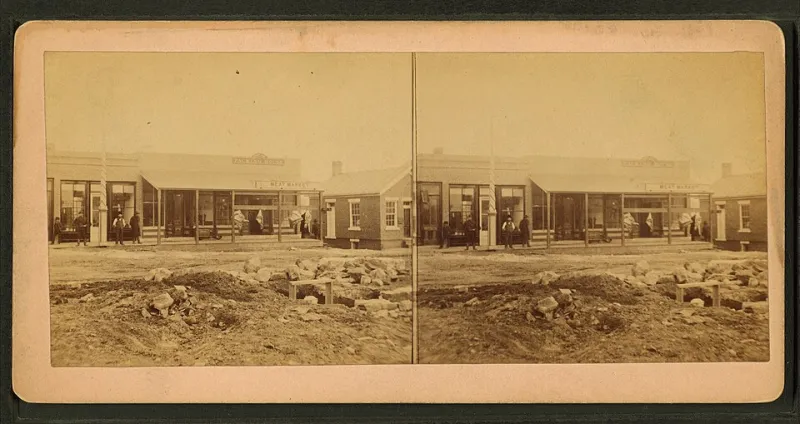
Photo: Ellis, Howard -- Photographer, Public domain, via Wikimedia Commons
The space at 18th and Grand in Kansas City's Crossroads district used to repair cell phones. For most of this fall it has been showing paintings. The lease runs four months. The rent is nine hundred dollars. The gallery opens Thursday through Sunday, twelve to six, and the person behind the folding table is usually the artist.
Call it the micro-gallery: a storefront, a short lease, and a curator who is also the installer, the bartender, and the person who remembers your name on the second visit. They've existed forever in one form or another, but in 2026 they're multiplying in American downtowns for reasons that are less romantic than they sound.
The Math Is Almost Embarrassingly Simple
Commercial rents in secondary downtowns spent years softening as retail moved online, and landlords who once held out for a national tenant will now happily take a six-month lease from anyone with a deposit and a business license. Artists and independent curators noticed.
A typical micro-gallery budget looks like this: rent of $600 to $1,600 a month depending on the city, a utility and insurance rider that runs a few hundred more, a couple hundred for lighting and spackle, and a sales setup on Square or Venmo that costs nothing until you actually sell something. Split a group show across eight artists and the entry fee is often under $150 each — less than a decent open-call submission fee, and this time you keep the wall.
Commissions tend to be zero or very low. Some spaces take 10 percent to cover the wine and the toilet paper. Most take nothing and let the artist keep the sale. That's not charity; it's the whole pitch. The gallery isn't the gatekeeper, it's the venue.
The Paperwork Is Boring and That's the Point
None of this is quite as easy as it looks. Cities have layered requirements — a certificate of occupancy, a pop-up or temporary-use permit, signage rules, and a zoning category that may or may not tolerate art sales. In Providence, curator Alina Boudreau spent six weeks on permits for a two-month storefront show. “Everyone tells you to just do it and ask forgiveness,” she said. “I did the paperwork instead, and it meant I could put a sandwich board on the sidewalk without getting a visit from the city.”
Insurance is the other unglamorous hurdle. A general liability policy for a temporary space runs a few hundred dollars; some landlords require it, some don't, and the artists usually don't think about it until a guest backs into a plinth. The micro-gallery operators who last are the ones who treat those details as part of the curatorial work rather than an insult to it.
Freedom Is the Product
What the short lease buys isn't just cheap square footage. It buys risk.
“I can put on a show that would get laughed out of a dealer's office,” said Marcus Ellery, who runs a two-room project space in Cincinnati's Over-the-Rhine. “Twelve paintings about one parking lot? A group show of nothing but frames? Nobody's underwriting that. I'm not underwriting it either. I'm just doing it for six weeks and then it's over.”
That disposability is the point. A traditional gallery has a program to protect and a collector list to keep happy. A micro-gallery has a lease that ends. It can be wrong in public and then take down the show.
It's also a friendlier room for people who don't go to galleries. The threshold is low: a storefront window at street level, hours posted on the door, no front desk. First-time buyers — especially in the $200 to $1,200 range — are a real part of the business here, and they tend to show up because it looks like a place they're allowed to walk into.
What the White Cubes Should Steal
Established galleries have been quietly watching. A few things they might legitimately take from the storefront model in 2026:
Shorter shows. Six weeks instead of eight or ten creates urgency without a fake countdown. Artists get to move on. Viewers get a reason to come back.
Price transparency. Micro-galleries often post prices on the wall or in a QR sheet. It's not vulgar. It's hospitable.
Fewer velvet ropes. Openings with folding chairs and a cooler of beer are not a downgrade from a catered affair. They're a different invitation.
Rent-sharing as a curatorial tool. Splitting costs across a group forces the curator to ask who belongs in the room together — a question that gets skipped when one artist fills the whole calendar by default.
The micro-gallery boom will produce its share of bad shows and abandoned leases. It always does. But it's also doing something the traditional model has struggled with: putting work in front of people who weren't already on the mailing list. And in a year when everyone is worried about attention, that's not a small thing to put in a vacant storefront.