After the Studio Door Closes: A Collector Follow-Up Playbook That Doesn't Feel Like a Pitch
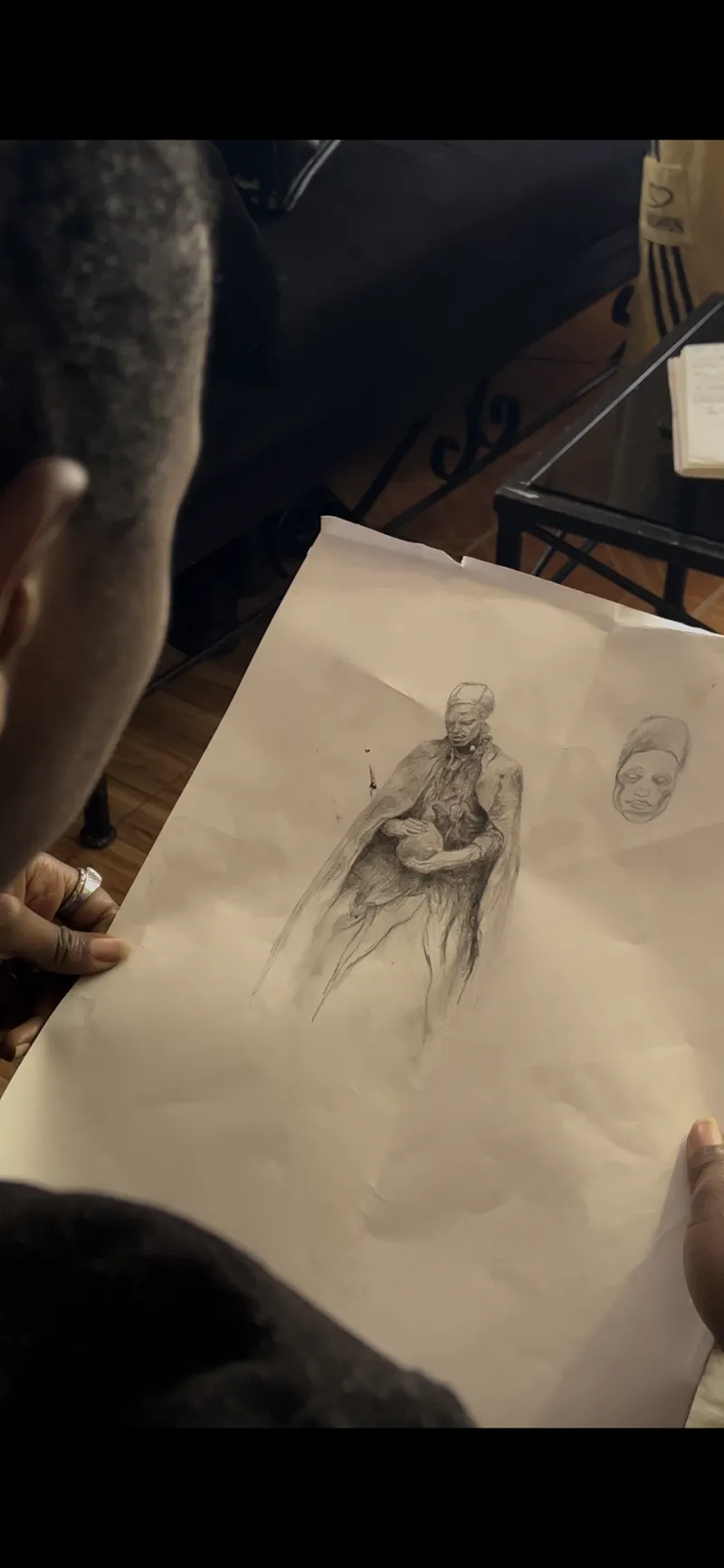
Photo: Rose Musyoki, CC0, via Wikimedia Commons
Studio visits are weirdly intimate. Someone stands in your space, looks at work that isn't framed yet, asks what you were thinking, and then leaves. The door clicks. The room goes quiet. And a lot of artists do the worst possible thing next: nothing.
At Madhur Arts, we talk a lot about the gap between making the work and getting it seen. The follow-up is where that gap usually opens. Not because collectors are waiting to be chased, but because attention is slippery. A studio visit is a high-context moment. A week later, it's a memory. The follow-up isn't a pitch; it's a bridge back to the work.
The 48-Hour Window (and Why It's Not a Deadline)
Send a note within two days. Not a sales deck. Not a newsletter. A short, specific message that proves you were paying attention. Mention the piece they lingered on, the question they asked, or the corner of the studio where the conversation got interesting. If they brought a friend, mention that too. The goal is recognition, not pressure.
If you need more time, send a holding note. 'Great to have you by — I'm putting together a couple of details on the piece you liked and will send them Thursday.' That's it. You've bought yourself space without going silent.
Match the Message to the Collector
Not every collector wants the same follow-up. A first-time buyer usually needs context: dimensions, materials, framing options, and a clear price. A seasoned collector wants the story and the next step, not a beginner's tour. A designer or corporate buyer needs logistics: lead time, invoice terms, installation, and whether the work can be rented or staged.
Treat the follow-up like a translation exercise. You're translating the studio experience into the language that person actually uses. That's not pushy. That's professional.
Three Scripts You Can Steal
For the first-timer who loved a piece but went quiet:
'Hi [Name] — really glad you came by. You spent some time with [title], so I wanted to send the basics: it's [size], [medium], ready to hang, and $[price]. No pressure at all — I know it's a big decision. If it helps, I can send a short video of it in daylight, or hold it for a few days while you think.'
For the collector who asked smart questions:
'Hi [Name] — thanks again for the studio visit. Your question about [specific detail] stuck with me, so I wrote a few notes on how that piece came together. Attached here. If you'd like to see it in a different light or talk through placement, I'm happy to do a quick call this week.'
For the corporate or designer lead:
'Hi [Name] — following up on your visit. I've attached a one-page PDF with dimensions, pricing, lead time, and installation notes for the three works you flagged. If it's useful, I can also send a rental quote for a six-month term. Happy to jump on a call if that's easier.'
Keep them short. Keep them specific. And always give an easy out. The exit is what makes the ask feel safe.
Stay Top-of-Mind Without Becoming Noise
One follow-up is expected. Two is reasonable. Three is a campaign. Four is a clue.
A good rhythm: a thank-you note within 48 hours, a detail note within a week if they asked for something, and a gentle check-in after two or three weeks. After that, move them to a low-key update list — not a drip sequence that feels like a car dealership. Send new work when it's genuinely relevant. Send a studio newsletter when you have something to say. Don't send 'just checking in' every ten days. That's not persistence. That's static.
Red Flags That Say Walk Away
Some visits are not sales conversations. They're research, ego, or a free afternoon. Watch for:
- They ask you to hold a piece indefinitely with no deposit.
- They want a discount before they've asked a single question about the work.
- They say 'I love it' but won't commit to a date, a size, or a budget.
- They ask for free mockups, free samples, or free custom work 'to test the fit.'
- They go quiet after two clear follow-ups and only reappear when they want something.
None of these people are villains. They're just not your buyer right now. Walking away isn't rejection; it's inventory control for your attention.
The follow-up is part of the work. Not because art needs a sales funnel, but because the studio visit is a conversation, and conversations have second acts. Send the note. Be specific. Give them room. Then get back to the work.